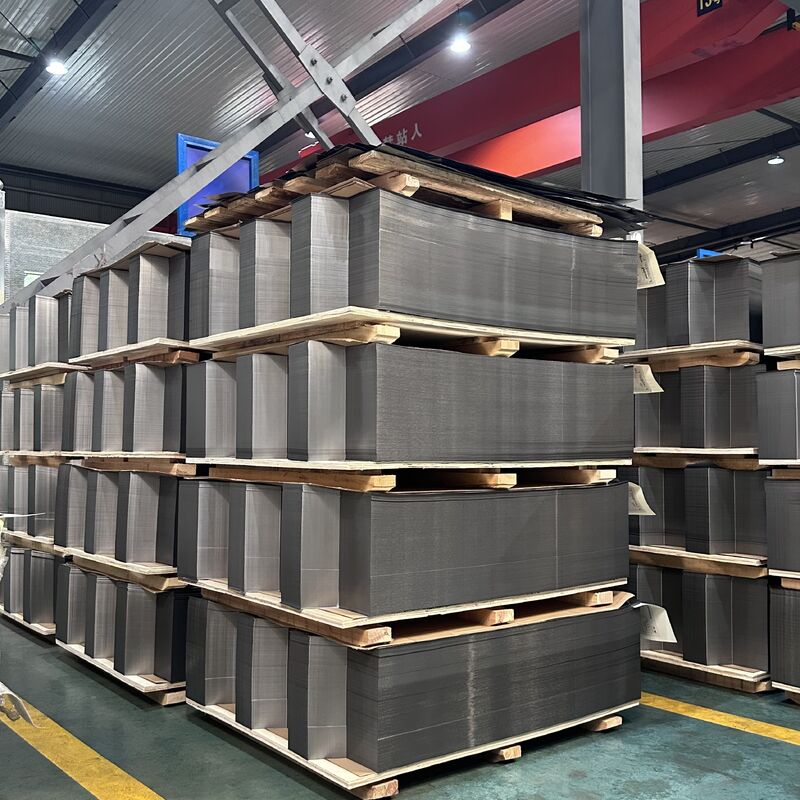
Ενότητα 1: Εισαγωγή προϊόντος
Στον άκρως ανταγωνιστικό τομέα μεταλλικών συσκευασιών, η επιλογή των βασικών υποστρωμάτων καθορίζει την απόλυτη ασφάλεια, τη χημική δομική ακεραιότητα και τη μακροζωία στο ράφι του τελικού δοχείου. Η εξειδικευμένη μας σειρά φύλλων Λευκοσιδήρου κατασκευάζεται με ακρίβεια για να χρησιμεύσει ως λύση συσκευασίας υψηλής πυκνότητας για επιθετικά βιομηχανικά υγρά, πτητικές χημικές ουσίες και ευαίσθητα βιολογικά προϊόντα. Χρησιμοποιώντας προηγμένες διαδικασίες ψυχρής έλασης που ακολουθούνται από συνεχή ηλεκτρολυτική απόθεση κασσίτερου, ο χάλυβας χαμηλών εκπομπών άνθρακα μετατρέπεται σε μια στιβαρή, πολυεπίπεδη αμυντική δομή. Αυτή η χημική διαμόρφωση παρέχει ένα εξαιρετικό φράγμα που διατηρεί εντελώς απομονωμένα τόσο την εξωτερική ατμοσφαιρική υγρασία όσο και τις εσωτερικές χημικές δράσεις.
Αν και αρχικά βελτιστοποιήθηκαν για βιομηχανικές εφαρμογές, όπως δοχεία βαφής, κουβάδες κόλλας και κυλίνδρους αερολύματος, τα πρότυπα επεξεργασίας μας ακολουθούν αυστηρές μεταλλουργικές καθαρότητες που επιτρέπουν σε αυτό το μέταλλο να διπλασιαστεί ως αποτελεσματικό υλικό δοχείων τροφίμων. Το υλικό υφίσταται δομική εξομάλυνση της τάσης και προηγμένη χημική παθητικοποίηση, με αποτέλεσμα ένα εξαιρετικά επίπεδη προφίλ επιφάνειας που εξαλείφει τη μικρορωγμάτωση κατά τη διάρκεια βαριάς σφράγισης, βαθιάς έλξης και διεργασιών σχηματισμού κυλινδρικού σώματος. Αυτό διασφαλίζει μηδενικό κίνδυνο δομικής αστοχίας, διαρροής εμπορευματοκιβωτίων ή περιβαλλοντικής υποβάθμισης σκουριάς κατά τη διάρκεια μακρών θαλάσσιων μεταφορών και εκτεταμένων κύκλων ζωής αποθήκευσης.
Ενότητα 2: Βασικά χαρακτηριστικά προϊόντος
Η κορυφαία απόδοση στην αγορά των προϊόντων μας από φύλλα λευκοσιδήρου καθοδηγείται από στοχευμένες μεταλλουργικές εξελίξεις και ακριβή χημική μηχανική:
- Προηγμένη αντίσταση στη σκουριά πολλαπλών στρωμάτων: Ο πυρήνας του ακατέργαστου χάλυβα προστατεύεται από μια ενσωματωμένη μήτρα που περιέχει ένα στρώμα κράματος κασσίτερου-σιδήρου, ένα στρώμα ελεύθερου μεταλλικού κασσίτερου και ένα φιλμ παθητικοποίησης ανόργανου χρωμίου. Αυτή η δομή αντιστέκεται ενεργά στην ατμοσφαιρική οξείδωση, αποτρέποντας το σχηματισμό επιφανειακής σκουριάς ακόμη και όταν αποθηκεύεται σε περιβάλλοντα αποθήκης με υψηλή υγρασία.
- Εξαιρετική μορφοποίηση σε βάθος: Σχεδιασμένο με σφιχτές μηχανικές ανοχές, αυτό το υλικό διαθέτει εξαιρετικά ομοιόμορφες κατανομές πάχους και ελεγχόμενες κατευθυντικές δομές κόκκων. Αυτό του επιτρέπει να αντέχει πολύπλοκες δομικές παραμορφώσεις, συμπεριλαμβανομένων των διπλών ραφών υψηλής ταχύτητας, της κεφαλής της λεκάνης ακριβείας και των αιχμηρών διαμορφώσεων του δακτυλίου επέκτασης χωρίς μικροσχίσιμο.
- Βελτιστοποιημένη επιφανειακή τάση για πρόσφυση επίστρωσης: Οι επιλογές φινιρίσματος επιφάνειας υφίστανται ειδική επεξεργασία για να διασφαλιστεί η χημική συμβατότητα με διάφορες οργανικές λάκες και λιθογραφικά μελάνια. Αυτό επιτρέπει την πολύχρωμη εκτύπωση υψηλής ευκρίνειας και την τέλεια εποξειδική-φαινολική πρόσφυση της επένδυσης, εξαλείφοντας το ξεφλούδισμα του χρώματος ή τη χημική αποκόλληση.
- Ευέλικτη χημική συμβατότητα: Η αδρανή χημική φύση του μεταλλικού φράγματος κασσίτερου διασφαλίζει ότι το δοχείο δεν αντιδρά με το περιεχόμενο. Παρέχει σταθερή δομική συγκράτηση για διαλύτες, βιομηχανικές επικαλύψεις, βαφές με βάση το νερό, λάδια και χημικά μείγματα χωρίς να αλλοιώνει τη σύνθεση του προϊόντος.
Ενότητα 3: Πίνακας Τεχνικών Προδιαγραφών
Για την υποστήριξη των σύγχρονων γραμμών παραγωγής και του αυτοματοποιημένου εξοπλισμού κονσερβοποίησης υψηλής ταχύτητας, οι τυπικές και προσαρμοσμένες παραλλαγές μας από λευκοσίδηρο συμμορφώνονται αυστηρά με τις διεθνείς βιομηχανικές παραμέτρους, όπως περιγράφεται παρακάτω:
| Τεχνική Παράμετρος |
Εύρος προδιαγραφών & Βιομηχανικά πρότυπα |
| Ταξινόμηση Υλικών |
Ηλεκτρολυτική λευκοσίδηρο (SPTE) / Μονή μειωμένη (SR) / Διπλή μειωμένη (DR) |
| Εστίαση βασικής λέξης-κλειδιού |
Βιομηχανικό Φύλλο Λευκοσιδήρου / Υπόστρωμα Υλικού Κουτιού Τροφίμων |
| Διαθέσιμο πάχος |
0,16 mm – 0,46 mm (Αυστηρός έλεγχος μηχανικής ανοχής εντός ±0,004 mm) |
| Τυπικό πλάτος πηνίου |
610 mm, 715 mm, 824 mm, 896 mm, 914 mm, 1020 mm (Διαθέσιμη προσαρμοσμένη σχισμή) |
| Μήκος κομμένου φύλλου |
610 mm έως 1200 mm (Προσαρμοσμένο στις ακριβείς διαστάσεις της γραμμής) |
| Μάζα επίστρωσης κασσίτερου (g/m²) |
Ίσο ή Διαφορικό: 1,1/1,1, 2,2/2,2, 2,8/2,8, 5,6/5,6, 2,8/5,6 |
| Στυλ φινιρίσματος επιφανειών |
Φωτεινό (Υψηλά ανακλαστικό), Πέτρα (Γραμμικό μικρομοτίβο), Ματ, Ασημί |
| Κατηγορία μηχανικής θερμοκρασίας |
Παρτίδα ανόπτησης (BA): T1, T2, T3, T4, T5 / Συνεχής ανόπτηση (CA): DR8, DR9 |
| Ισχύοντα Πρότυπα |
ISO 11950:1995, JIS G3303, ASTM A623 Compliance |

Ενότητα 4: Γιατί οι παγκόσμιοι αγοραστές συνεργάζονται μαζί μας
Οι διεθνείς κατασκευαστές συσκευασιών επιλέγουν τα υλικά μας επειδή παρέχουμε σταθερή ποιότητα, αξιόπιστη μηχανική απόδοση και αυστηρή προβλεψιμότητα από παρτίδα σε παρτίδα. Οι εγκαταστάσεις παραγωγής μας είναι εξοπλισμένες με ηλεκτρολυτικές γραμμές επικασσιτέρωσης ελεγχόμενες από υπολογιστή και αυτοματοποιημένους σταθμούς εξομάλυνσης της τάσης. Αυτό το μηχάνημα διασφαλίζει ότι κάθε φύλλο Λευκοσιδήρου διαθέτει προφίλ ομοιόμορφου πάχους και επίπεδες άκρες, αποτρέποντας τις εμπλοκές τροφοδοσίας, μειώνοντας τη φθορά του εργαλείου και ελαχιστοποιώντας το χρόνο διακοπής λειτουργίας σε γραμμές βιομηχανικής εκτύπωσης και σφράγισης υψηλής ταχύτητας.
Επιπλέον, χρησιμοποιούμε αυστηρά πρωτόκολλα δοκιμών πολλαπλών σταδίων που επαληθεύουν την ομοιομορφία του βάρους της επίστρωσης, την κατανομή του λαδιού στην επιφάνεια και τα επίπεδα σκληρότητας Rockwell πριν φύγει οποιοδήποτε προϊόν από τις εγκαταστάσεις μας. Αυτή η ολοκληρωμένη διαδικασία ποιοτικού ελέγχου εγγυάται ότι τα μεταλλικά φύλλα παρέχουν ισχυρή αντοχή στη διάβρωση και ακριβή μορφοποίηση όταν μετατρέπονται σε πυθμένα αεροζόλ, καλύμματα δοχείων βαφής ή εξειδικευμένα εξαρτήματα συσκευασίας τροφίμων. Διατηρώντας μεγάλα αποθέματα δημοφιλών πλάτη βάσης, όπως 896 mm, παρέχουμε σταθερές αλυσίδες εφοδιασμού και μικρότερους χρόνους παράδοσης για να βοηθήσουμε τους παγκόσμιους συνεργάτες μας να διατηρήσουν τα χρονοδιαγράμματα παραγωγής τους σε καλό δρόμο.
Ενότητα 5: Δυνατότητες προσαρμογής & κοπή ακριβείας
Κατανοούμε ότι διαφορετικές διαμορφώσεις δοχείων απαιτούν συγκεκριμένα μεγέθη υλικού και μηχανικές αντοχές. Ως εκ τούτου, παρέχουμε επιλογές βαθιάς προσαρμογής που εκτείνονται πολύ πέρα από τις τυπικές διαστάσεις. Οι πελάτες μπορούν να ζητήσουν προσαρμοσμένες μετρήσεις φύλλων, συγκεκριμένα προφίλ σκληρότητας και να στοχεύσουν εσωτερικές ή εξωτερικές ρυθμίσεις επίστρωσης. Τα σύγχρονα κέντρα επεξεργασίας μετάλλων μας διαθέτουν περιστροφικές γραμμές κοπής υψηλής ταχύτητας και ιπτάμενα ψαλίδια ακριβείας, επιτρέποντάς μας να επεξεργαζόμαστε βαριά συνεχόμενα πηνία σε επίπεδα φύλλα κομμένα με τις ακριβείς προδιαγραφές μήκους σας.
Για εφαρμογές συσκευασίας χημικών ή τροφίμων που χειρίζονται επιθετικές συνθέσεις, μπορούμε να παρέχουμε υλικό με προσαρμοσμένες διαφορικές επικαλύψεις κασσίτερου (π.χ. 2,8/5,6 g/m²). Αυτό σας δίνει τη δυνατότητα να εφαρμόσετε ένα παχύτερο στρώμα κασσίτερου στο εσωτερικό για να αντισταθεί στη διάβρωση από το προϊόν και ένα λεπτότερο στρώμα στο εξωτερικό για οικονομικά αποδοτική ατμοσφαιρική προστασία από τη σκουριά. Οι ειδικοί τεχνικής υποστήριξης μας συνεργάζονται απευθείας με τις ομάδες μηχανικών σας για να καθορίσουν τους ιδανικούς συνδυασμούς πάχους, ιδιοσυγκρασίας και επίστρωσης για τη βελτιστοποίηση της απόδοσης παραγωγής σας.
Ενότητα 6: Συχνές Ερωτήσεις (FAQ)
Ε1: Ποια είναι τα κύρια πλεονεκτήματα από τη χρήση ενός φύλλου λευκοσίδηρου πλάτους 896 mm για την κατασκευή δοχείων βαφής; A1: Το πλάτος βάσης 896 mm έχει βελτιστοποιηθεί για να μεγιστοποιήσει τη χρήση του υλικού κατά τη σφράγιση εξαρτημάτων δοχείων κυκλικής βαφής, διάταξη φύλλων κοπής με κύλιση ή κυλινδρικά σώματα δοχείων. Αυτή η διάσταση μειώνει τα άχρηστα άκρα, μειώνει τα απόβλητα παραγωγής και βοηθά τις αυτοματοποιημένες γραμμές συναρμολόγησης να επιτύχουν υψηλότερη απόδοση υλικού.
Ε2: Μπορεί το βιομηχανικό σας φύλλο λευκοσιδήρου να χρησιμοποιηθεί επίσης με ασφάλεια ως υλικό κουτιού τροφίμων; Α2: Ναι, απολύτως. Όλα τα ηλεκτρολυτικά προϊόντα λευκοσιδήρου μας κατασκευάζονται υπό αυστηρούς μεταλλουργικούς ελέγχους που πληρούν τα διεθνή πρότυπα ασφάλειας τροφίμων. Το στρώμα επικάλυψης μεταλλικού κασσίτερου υψηλής καθαρότητας είναι εντελώς μη τοξικό, ασφαλές για άμεση επαφή και παρέχει εξαιρετική χημική αντοχή τόσο για βιομηχανικές συσκευασίες όσο και για κονσέρβες τροφίμων.
Ε3: Πώς βοηθά η διαφορική επίστρωση κασσίτερου στη βελτιστοποίηση του κόστους κατασκευής εμπορευματοκιβωτίων; A3: Η διαφορική επίστρωση εφαρμόζει δύο διαφορετικά βάρη κασσίτερου και στις δύο πλευρές του φύλλου λευκοσίδηρου. Για παράδειγμα, η διαμόρφωση 2,8/5,6 g/m² σάς επιτρέπει να τοποθετείτε το παχύτερο στρώμα 5,6 g στο εσωτερικό του δοχείου για να χειρίζεστε διαβρωτικά χημικά σκευάσματα ή όξινα τρόφιμα, ενώ το ελαφρύτερο στρώμα 2,8 g στο εξωτερικό παρέχει αποτελεσματική, οικονομική προστασία από τον αέρα και την υγρασία του περιβάλλοντος.
Ε4: Ποια πρότυπα συσκευασίας χρησιμοποιείτε για να αποτρέψετε τη σκουριά κατά τη διάρκεια θαλάσσιων μεταφορών μεγάλων αποστάσεων; A4: Κάθε πακέτο φύλλων τυλίγεται προσεκτικά με χαρτί αναστολέα διάβρωσης ατμών (VCI) και καλύπτεται με δομικό σιδερένιο προστατευτικό βαρέως τύπου. Ολόκληρη η δέσμη είναι στη συνέχεια δεμένη με ασφάλεια σε ενισχυμένες, συμβατές με τις εξαγωγές υποκαπνισμένες ξύλινες παλέτες και εφοδιάζεται με άκαμπτα προστατευτικά γωνίας για να διασφαλιστεί ότι το υλικό φτάνει εντελώς στεγνό και χωρίς γρατσουνιές στις εγκαταστάσεις σας.


 Το μήνυμά σας πρέπει να αποτελείται από 20-3.000 χαρακτήρες!